
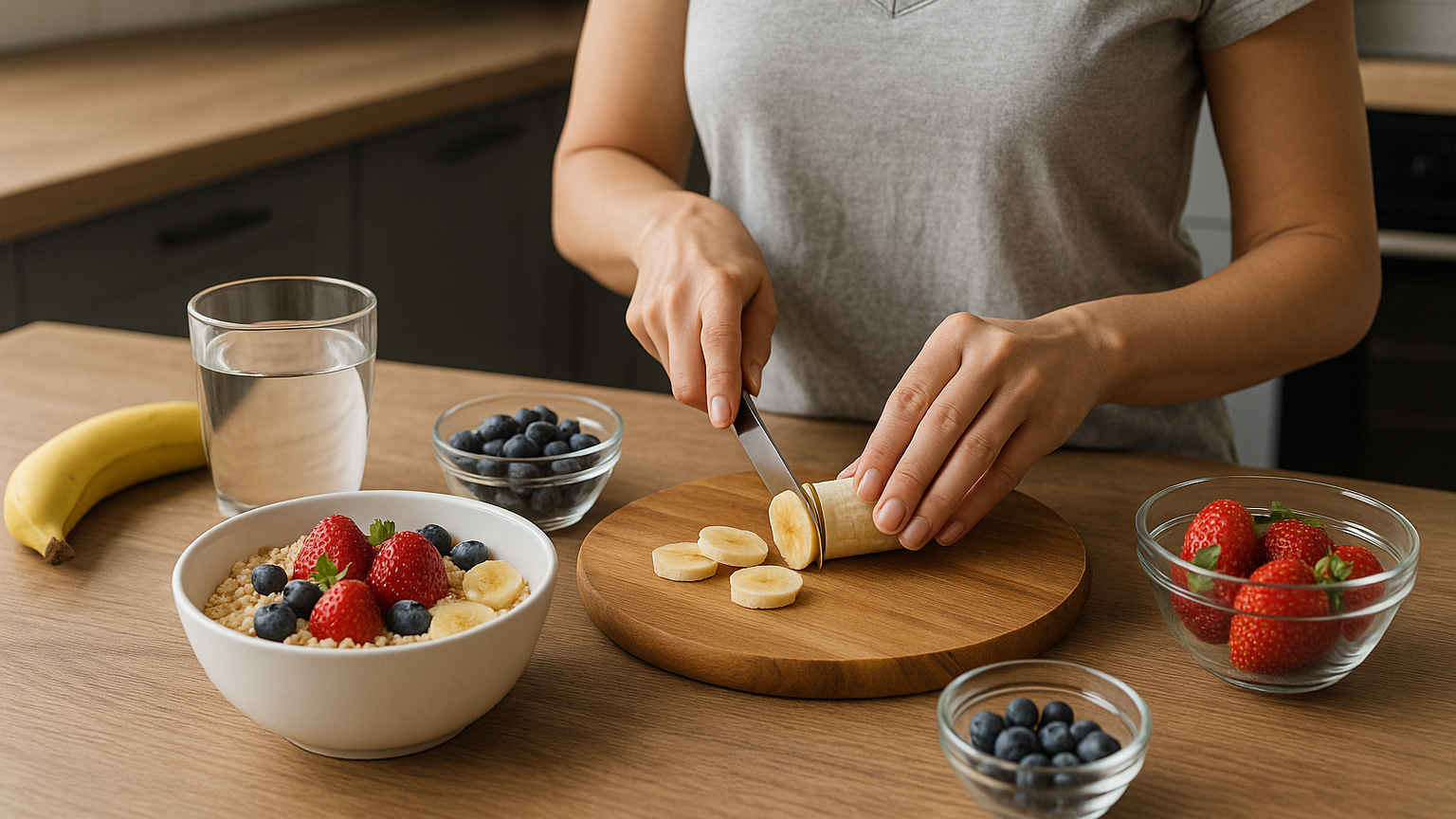
Discover 10 small healthy habits that transform your well-being. Simple, practical changes you can start today—even with a busy schedule.
Introduction
You wake up tired. Meanwhile, your to-do list feels endless. Throughout the day, you rush from one task to another. By evening, you’re exhausted.
If this sounds familiar, you’re not alone. In fact, building small healthy habits might feel impossible when you’re already overwhelmed. However, here’s the truth: you don’t need hours at the gym or a complete life makeover.
Instead, small healthy habits—practiced consistently—create remarkable transformations. Moreover, they fit into even the busiest schedules. After all, lasting change doesn’t come from perfection. Rather, it comes from small, intentional choices repeated daily.
In this article, we’ll explore 10 simple habits that make a real difference. Furthermore, you’ll discover how to weave them into your routine without adding stress.
If you’ve ever felt this way, keep reading — you’re not alone.
Why Small Healthy Habits Matter More Than Big Changes
First of all, let’s talk about why small healthy habits work better than drastic overhauls.
Big changes sound inspiring. For instance, “I’ll exercise every day” or “I’ll eat perfectly clean.” However, these ambitious goals often fail because they require too much willpower at once. As a result, you feel overwhelmed and give up.
On the other hand, small healthy habits work differently. They leverage what psychologists call “habit stacking.” Specifically, you attach a tiny new behavior to something you already do. Over time, these micro-habits compound into major improvements.
According to research from Harvard Health, small consistent changes significantly reduce health risks and improve longevity.
Additionally, small habits feel achievable. Therefore, you’re more likely to stick with them. In other words, consistency beats intensity every single time.
Pause for a second — can you relate to this feeling?
The Science Behind Habit Formation
Before diving into the habits themselves, let’s understand how habits actually work.
Every habit follows a simple loop: cue, routine, reward. First, a cue triggers your brain. Then, you perform the routine. Finally, you receive a reward that reinforces the behavior.
For example, if you want to drink more water, place a glass on your desk (cue). When you see it, take a sip (routine). Afterward, you feel refreshed (reward). Over time, this becomes automatic.
Research shows it takes approximately 66 days for a new behavior to become truly automatic. However, you’ll start feeling benefits much sooner—often within just a few days.
Moreover, small healthy habits create what researchers call a “ripple effect.” When you improve one area of your life, other areas naturally improve too. For instance, better sleep leads to better food choices, which leads to more energy, which leads to more movement.
Think about how this could change your daily routine — even in small ways.
10 Small Healthy Habits You Can Start Today
Now, let’s explore practical habits that fit into busy lives. Remember: start with just one or two. Then, add more gradually as they become automatic.
1. Drink Water First Thing in the Morning
When you wake up, your body is naturally dehydrated. Therefore, drinking a glass of water first thing jumpstarts your metabolism and rehydrates your cells.
Keep a glass or bottle on your nightstand. As soon as you wake up, drink it before checking your phone. It’s that simple.
2. Take Three Deep Breaths Before Meals
Stress disrupts digestion. However, three deep breaths activate your parasympathetic nervous system. As a result, you digest food more effectively and eat more mindfully.
Before each meal, pause. Inhale for four counts, hold for four, exhale for four. Then, begin eating with presence and gratitude.
3. Move for Just Two Minutes Every Hour
Sitting all day damages your health more than you realize. Nevertheless, you don’t need long workouts to counteract it.
Set a timer to move every hour. Stand up, stretch, walk around, or do a few squats. These micro-movement breaks improve circulation, reduce stiffness, and boost focus.
4. Eat One Vegetable With Every Meal
Adding vegetables feels easier than restricting foods. Moreover, when you fill up on nutrient-dense foods, you naturally eat less junk.
Start simple: add spinach to your eggs, carrots to your lunch, or a side salad at dinner. Over time, increase variety and quantity.
5. Put Your Phone Away 30 Minutes Before Bed
Blue light from screens disrupts melatonin production. Consequently, you sleep poorly even when you’re tired.
Instead, establish a wind-down routine. Read a book, journal, meditate, or chat with loved ones. Your sleep quality will dramatically improve.
6. Express Gratitude for One Thing Daily
Gratitude rewires your brain toward positivity. In fact, studies show it improves mood, reduces stress, and strengthens relationships.
Each evening, write down one thing you’re grateful for. It could be as simple as a good cup of coffee or a kind word from a friend. Over time, this shifts your entire perspective.
7. Take a Five-Minute Walk After Meals
Walking after eating regulates blood sugar and aids digestion. Furthermore, it prevents the afternoon energy crash many people experience.
You don’t need a long walk. Just five minutes around your home or office makes a difference. Additionally, it clears your mind and refreshes your focus.
8. Prepare Tomorrow’s Clothes the Night Before
Decision fatigue is real. When you’re stressed, small decisions drain your mental energy. Therefore, reducing morning choices conserves willpower for what truly matters.
Spend two minutes each evening laying out tomorrow’s outfit. As a result, mornings become calmer and less rushed.
9. Practice the “One-Minute Rule”
If a task takes less than one minute, do it immediately. For instance, hanging up your coat, washing a dish, or replying to a quick text.
These tiny actions prevent clutter—both physical and mental. Moreover, completing small tasks creates momentum that carries into bigger ones.
10. End Your Shower With 30 Seconds of Cold Water
Cold exposure boosts circulation, strengthens immunity, and increases alertness. Additionally, it trains mental resilience.
Start with just the last 30 seconds of your shower. Gradually, you can extend the duration. The discomfort is brief, but the benefits last all day.
Ready to give it a try? Here’s where you can start.
How to Make Small Healthy Habits Stick
Knowing what to do is one thing. Actually doing it consistently is another. Therefore, here are strategies to make habits permanent:
First, start ridiculously small. Don’t commit to 30 minutes of meditation. Instead, start with three breaths. Once that’s automatic, gradually expand.
Second, stack habits onto existing routines. For example, “After I brush my teeth, I’ll do 10 squats.” The existing habit becomes your cue.
Third, track your progress. Use a simple calendar and mark an X for each day you complete the habit. This visual accountability keeps you motivated.
Fourth, be compassionate with yourself. If you miss a day, don’t quit. Simply resume the next day. Perfection isn’t the goal—consistency is.
Finally, celebrate small wins. When you complete a habit, acknowledge it. This positive reinforcement strengthens the neural pathways associated with the behavior.
According to Psychology Today, small habit changes create lasting transformation more effectively than willpower-driven big changes.
Reflection Questions for Your Wellness Journey
Take a moment to check in with yourself. Consider these questions:
- First, which of these 10 habits feels most achievable right now?
- Second, what time of day works best for me to practice this habit?
- Third, what existing routine can I attach this new habit to?
- Additionally, how will I feel after consistently practicing this habit for 30 days?
- Finally, who can support me in building this habit?
Write your answers down. In fact, the simple act of writing increases your likelihood of success by over 40%.
Take a deep breath and reflect — what comes up for you right now?
Final Thoughts on Building Small Healthy Habits
Building small healthy habits isn’t about perfection. Rather, it’s about progress. In fact, even implementing just two or three of these habits will create noticeable improvements in how you feel.
Remember: you don’t have to do everything at once. Instead, choose one habit that resonates with you. Practice it consistently for a month. Then, add another.
Over time, these small changes compound. Before you know it, you’ll look back and barely recognize the person you were. Moreover, these habits won’t feel like work—they’ll feel like who you are.
You deserve to feel good in your body. You deserve energy, clarity, and vitality. Therefore, start small. Start today. Start with just one habit.
Your journey starts with one mindful decision — why not begin today?