
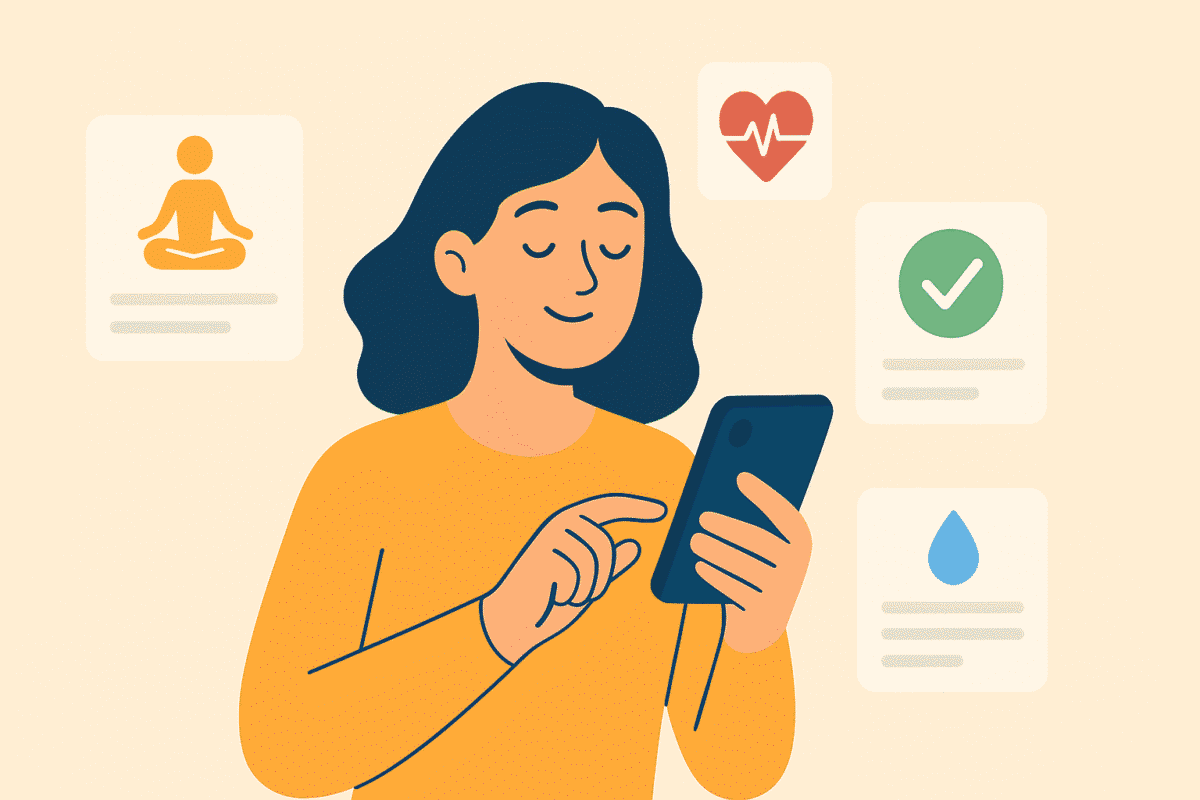
Our phones promise to make life easier, yet somehow we end up feeling more scattered, distracted, and exhausted. Notifications interrupt conversations, social media scrolling eats hours you can’t remember, and the bright screen keeps you awake when you should be sleeping. Technology has become so woven into daily life that separating its benefits from its costs feels nearly impossible. Yet digital wellness—using technology intentionally to support rather than undermine your wellbeing—offers a path forward. Surprisingly, the solution involves using specific widgets and apps designed to create healthier digital habits.
Understanding Digital Wellness in the Modern Age
Digital wellness means maintaining a healthy, balanced relationship with technology. According to research published in PMC (PubMed Central), digital wellbeing enhances the usage of technology itself to combat increased screen time by using restraints and promotes wellness by enabling productive and healthy lifestyles.
This concept doesn’t require abandoning technology or returning to pre-smartphone existence. Instead, digital wellness recognizes that technology serves as a powerful tool that can either support or sabotage your health, relationships, productivity, and peace of mind. The difference lies in how intentionally you use it.
Poor digital habits create measurable problems. Excessive screen time correlates with disrupted sleep, increased anxiety, reduced face-to-face social connection, decreased physical activity, and diminished attention spans. Constantly checking phones fragments focus, making deep work or meaningful conversation difficult. The dopamine hits from notifications and social media create addictive patterns that feel increasingly difficult to control.
Yet completely disconnecting isn’t realistic or desirable for most people. Work requires email access. Staying connected to loved ones happens through messaging apps. Navigation, information access, entertainment, and countless daily conveniences depend on smartphones. Digital wellness acknowledges this reality while providing strategies for healthier integration.
How Widgets Support Digital Wellness Goals
Widgets—those small, glanceable displays on your phone’s home screen—can surprisingly transform your relationship with technology when used strategically.
Screen time widgets provide immediate awareness of usage patterns. Both Android’s Digital Wellbeing and iOS’s Screen Time offer home screen widgets showing daily usage totals and most-used apps. This visibility alone often motivates behavioral change. When you see you’ve already spent two hours scrolling today, opening that social media app again becomes a conscious choice rather than mindless habit.
The power lies in the friction these widgets create. Rather than needing to dig through settings to check usage stats, the information confronts you each time you unlock your phone. This gentle reminder helps you catch yourself before diving into another unplanned scrolling session.
Habit tracking widgets support positive behaviors beyond just limiting screen time. Widgets displaying meditation streaks, water intake reminders, or daily step counts create visible accountability. Each glance reinforces your commitment to these health-supporting practices. The satisfaction of maintaining a streak—whether seven consecutive days meditating or hitting hydration goals—provides motivation that abstract intentions lack.
Goal progress widgets transform aspirations into tangible visual feedback. Whether tracking reading time, language learning progress, or fitness achievements, seeing advancement displayed prominently keeps priorities visible. In a digital environment designed to capture attention for profit, these widgets reclaim that attention for personal goals.
Quick access widgets reduce the friction between intention and action for beneficial apps. Placing meditation app shortcuts, journal prompts, or breathing exercise widgets on your home screen makes healthy digital habits easier than destructive ones. You’re more likely to take a mindful breathing break when it’s one tap away versus buried in a folder.
Essential Apps for Building Digital Wellness
While built-in features help, specialized apps provide more sophisticated tools for managing your digital life intentionally.
Focus and distraction blocking apps create protective barriers around concentrated work time. Apps like Freedom, Forest, or Focus Mode allow you to temporarily block distracting applications and websites during scheduled periods. Some use playful motivation—Forest grows virtual trees that die if you break focus—while others simply prevent access entirely. These tools recognize that willpower alone often fails against addictive app design.
Screen time monitoring apps offer detailed insights beyond basic system tools. Applications like RescueTime, Moment, or ActionDash track not just duration but context—distinguishing productive app use from mindless scrolling. They reveal patterns: perhaps you always check social media when stressed, or your phone use spikes during certain times. Understanding these patterns enables targeted interventions.
Mindfulness and meditation apps integrate wellness practices into digital routines. Calm, Headspace, Insight Timer, and similar platforms provide guided meditations, breathing exercises, and sleep stories. Regular use—facilitated by reminder notifications and progress tracking—builds mental health practices that counterbalance technology’s stressful aspects. Research shows consistent meditation reduces anxiety and improves focus, directly addressing common digital-age complaints.
Habit building apps leverage behavioral science to establish positive routines. Habitica gamifies habit formation, turning real-life tasks into role-playing game quests. Streaks focuses on maintaining consecutive days of positive behaviors. These apps understand that sustainable change requires systems, not just motivation, making them valuable allies in digital wellness journeys.
Sleep optimization apps help counteract technology’s sleep-disrupting effects. Apps like Sleep Cycle track sleep quality using movement and sound, providing insights into what improves or degrades rest. Bedtime mode features in both Android and iOS automatically enable Do Not Disturb, dim screens, and switch to grayscale at scheduled times—removing the stimulating blue light and notification interruptions that interfere with sleep.
Practical Strategies for Implementing Digital Wellness
Having the right tools matters less than using them consistently within an intentional strategy.
Start with awareness before intervention. Spend one week simply tracking your digital habits without trying to change them. Note when, where, and why you reach for your phone. What triggers automatic checking? Which apps consume the most time? What emotions precede scrolling sessions? This baseline understanding reveals where interventions will create the most impact.
Set specific, measurable limits rather than vague intentions. “Use phone less” fails as a goal because it’s unmeasurable and vague. “Limit social media to 30 minutes daily” or “No screens after 9 PM” provides clear targets. Use app timers to enforce these limits automatically—when time expires, the app grays out, creating natural stopping points.
Create phone-free zones and times throughout your day. Designate your bedroom, dining table, or morning routine as screen-free spaces. These boundaries protect activities that matter—quality sleep, meaningful meals, focused morning routines—from digital interruption. Physical separation helps; charge phones outside the bedroom to prevent late-night scrolling and morning social media before you’re fully awake.
Replace scrolling with intention by planning phone use. Rather than reflexively opening apps during any idle moment, schedule specific times for checking social media, news, or email. Use those scheduled times fully, then close the apps until the next designated period. This batching approach reduces the cumulative distraction of constant checking while ensuring you don’t miss important updates.
Leverage technology for organization and learning to make your digital time more productive. If you’re going to use your phone, ensure some of that time advances meaningful goals. Explore mind mapping tools to organize ideas and boost productivity, or invest time in building a learning routine using free digital resources. When screen time contributes to growth, it feels less like mindless waste.
Customizing Your Digital Wellness Approach
No single approach works for everyone. Effective digital wellness requires customization based on your specific challenges, goals, and lifestyle.
Identify your primary digital wellness challenge. Do you struggle with work-life boundaries, constantly checking email after hours? Is social media comparison stealing your contentment? Does phone use prevent quality family time? Does late-night scrolling sabotage sleep? Different problems require different solutions—email scheduling apps, social media blockers, family dinner rituals, or aggressive bedtime modes.
Consider your personality and what motivates you. Some people respond well to gamification and streaks. Others need strict blocking that removes temptation entirely. Visual people benefit from detailed usage graphs and progress widgets. Social individuals might join digital wellness challenges with friends for accountability. Choose tools and strategies matching your natural inclinations rather than fighting your nature.
Start small with one or two changes rather than overhauling everything simultaneously. Perhaps begin by establishing a phone-free bedroom and installing a screen time widget. Once those habits solidify, add app timers for your most-used distractions. Gradual implementation increases long-term success compared to unsustainable dramatic changes that collapse within days.
Regularly review and adjust your approach. What worked initially might need modification as circumstances change or as you adapt to restrictions. Schedule monthly check-ins to assess your digital habits, review screen time trends, and tweak strategies. Digital wellness isn’t a destination but an ongoing practice requiring periodic attention.
Benefits Beyond Reduced Screen Time
Pursuing digital wellness yields advantages extending far beyond simply using your phone less.
Improved focus and productivity emerge when constant interruptions decrease. Research shows it takes an average of 23 minutes to fully regain focus after an interruption. Every notification creates a attention shift, even if you don’t respond immediately. Establishing boundaries around digital interruptions allows genuine deep work—the focused, uninterrupted state where meaningful accomplishment happens.
Better sleep quality follows naturally from limiting evening screen exposure and establishing consistent bedtime routines without devices. The blue light from screens suppresses melatonin production, making falling asleep difficult. Beyond light exposure, the content we consume—stressful news, stimulating social media, exciting videos—activates our nervous system when it should be winding down. Phone-free evenings create space for genuine relaxation.
Stronger relationships develop when technology stops interrupting human connection. Being fully present during conversations, meals, or family time requires setting aside devices. The quality of your relationships correlates directly with the quality of attention you offer others. Phones in pockets or another room during important moments signal that the people present matter more than digital interruptions.
Increased life satisfaction often results from digital wellness practices. Constant comparison on social media erodes contentment. Doomscrolling news feeds creates anxiety. Mindless consumption fills time without creating meaning. Reclaiming those hours for activities you genuinely value—hobbies, exercise, face-to-face connection, rest—typically increases overall life satisfaction more than any amount of scrolling ever could.
Overcoming Common Digital Wellness Challenges
Despite good intentions, obstacles inevitably arise when pursuing healthier digital habits.
FOMO (fear of missing out) prevents many people from limiting social media use. What if something important happens while you’re offline? This anxiety, ironically, often intensifies with social media use rather than decreasing. Remind yourself that truly important information will reach you through other channels. Most of what you “miss” during digital breaks proves inconsequential.
Work demands can make boundaries difficult when employers expect constant availability. This challenge requires honest communication about realistic response times and establishing specific hours when you’re available for work communications. Even if you cannot eliminate work-related phone use entirely, you can contain it to designated times rather than allowing it to bleed into all hours.
Habit strength makes change difficult initially. Your brain has established neural pathways associating boredom, stress, or transition moments with phone checking. Breaking these automatic responses requires consistent effort over weeks. Each time you resist the urge and do something else instead, you weaken old pathways while strengthening new ones. Persistence matters more than perfection.
Social pressure affects digital wellness when friends expect immediate responses or constant availability. Communicating your boundaries helps: “I check messages twice daily” or “I don’t use my phone after 8 PM.” Real friends respect these limits. If someone can’t accept reasonable boundaries around your availability, that reveals more about their expectations than your choices.
Creating Sustainable Digital Wellness Practices
Long-term success requires building systems that support ongoing healthy digital habits rather than relying on temporary willpower.
Make the undesired behavior harder and desired behavior easier. Delete social media apps from your phone, requiring desktop access only. Move email to a folder off your home screen. Place distracting apps in a folder requiring multiple swipes to reach. Conversely, position health apps, learning tools, and productivity widgets prominently on your home screen. These small friction adjustments significantly impact behavior over time.
Establish automatic routines triggering at consistent times. Schedule Focus Mode to activate during work hours. Set bedtime mode to begin an hour before sleep. Enable Do Not Disturb during family dinners automatically. These scheduled interventions remove the need for constant decision-making, making healthier patterns your default rather than requiring active choice each time.
Build community around your digital wellness goals. Share your intentions with household members and invite them to join. When everyone commits to phone-free meals or device-free weekends, supporting each other becomes easier. External accountability increases follow-through significantly compared to purely personal commitments.
Celebrate progress without pursuing perfection. Some days you’ll exceed screen time goals or break your own rules. Rather than viewing these as failures requiring abandonment of all efforts, treat them as normal fluctuations. Acknowledge what triggered the lapse, recommit to your intentions, and continue. Sustainable change accommodates imperfection.
Your Path to Balanced Digital Life
Technology isn’t inherently good or bad—what matters is how intentionally you use it. Digital wellness, supported by thoughtfully chosen widgets and apps, transforms your relationship with devices from reactive and addictive to intentional and life-enhancing.
Start today with one small change. Install a screen time widget. Set a timer on your most-used app. Establish one phone-free hour. Whatever feels manageable, begin there. Build gradually, paying attention to what works for your unique situation.
The goal isn’t eliminating technology but ensuring it serves your wellbeing rather than undermining it. When you take control of your digital habits, you reclaim time, attention, and peace of mind that seemed lost to constant connectivity. Your future self—more focused, better rested, more present with loved ones, and genuinely satisfied—will thank you for beginning this journey today.