
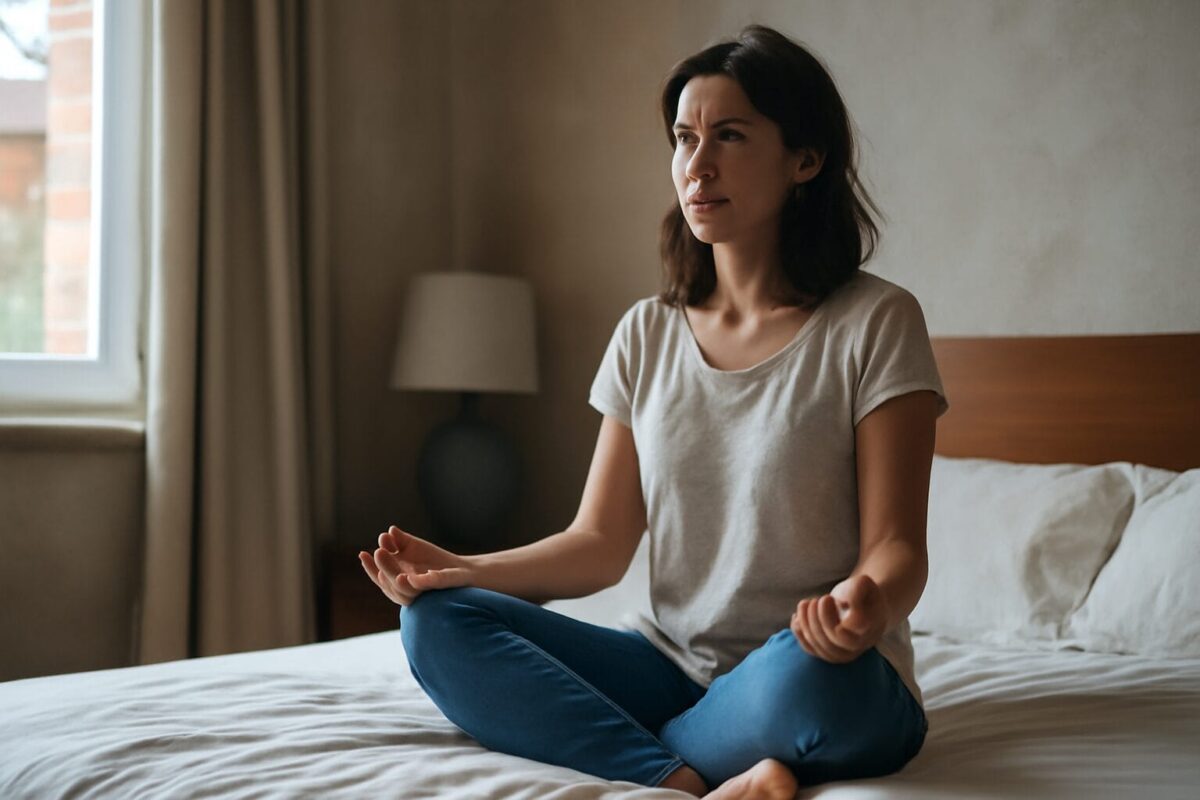
If you’re reading this, chances are you’ve already crossed the line from stressed to burned out. Maybe you’ve been running on empty for months, pushing through exhaustion until you simply couldn’t anymore. Perhaps you finally recognized that the constant fatigue, cynicism, and sense of hopelessness weren’t just “having a bad week”—they were burnout.
Learning how to recover from burnout starts with this crucial first step: acknowledging where you are. Take a deep breath. You’re here, you’re aware, and that awareness matters. Recovery is possible, and you deserve to feel like yourself again.
Understanding Where You Are: The First Step to Recover from Burnout
Burnout doesn’t happen overnight, and it won’t disappear overnight either. According to the Cleveland Clinic, learning to recover from burnout is a physical, mental, and emotional process that requires patience and intentional action. Right now, you might feel depleted in ways you’ve never experienced before—not just tired, but empty.
The exhaustion goes deeper than needing a good night’s sleep. You might feel disconnected from work that once mattered to you, cynical about things you used to care about, or doubtful about your abilities despite evidence of your competence. These feelings are real, valid, and most importantly, they’re not permanent.
Understanding that you’re burned out—truly accepting it rather than minimizing it—is essential. Many people resist this acknowledgment because admitting burnout feels like admitting failure. It’s not. Burnout is a signal that something in your life needs to change, not evidence that something is wrong with you.
Creating Distance to Recover from Burnout
One of the most important steps to recover from burnout is creating some distance between yourself and whatever burned you out. The amount of distance you can create depends on your circumstances and resources, and that’s okay. Not everyone can quit their job, take an extended leave, or completely step away from their responsibilities.
If you can take time off, do it without guilt. Use vacation days, personal days, or if necessary, discuss a leave of absence with your employer. Even a few days can provide crucial breathing room to begin recovery.
If taking significant time off isn’t possible right now, look for smaller ways to create distance. This might mean setting firmer boundaries around work hours, declining optional responsibilities, or mentally detaching from work during non-work time. When your workday ends, truly let it end—close your laptop, silence notifications, and give yourself permission to be off-duty.
Creating psychological distance is just as important as physical distance. Practice leaving work at work. Don’t rehearse conversations or replay difficulties during your personal time. This takes practice, but it’s essential for recovery.
Prioritizing Rest: Essential for Recovery
Your body and mind desperately need rest. After operating in survival mode for so long, genuine rest becomes a therapeutic necessity, not a luxury. When you recover from burnout, addressing the basics you’ve likely been neglecting becomes essential. Start by focusing on sleep, genuine rest, and activities that truly restore you.
Sleep should be your first priority. Aim for 7-9 hours nightly, and create conditions that support quality sleep. Establish a consistent bedtime, limit screen time before bed, and create a calm sleeping environment. If racing thoughts keep you awake, try journaling before bed to release them from your mind.
Give yourself permission to do absolutely nothing sometimes. Rest doesn’t always mean sleep—it means activities that restore rather than deplete you. This might be reading for pleasure, sitting quietly with tea, spending time in nature, or simply being still without any agenda.
Notice the difference between activities that genuinely restore you and those that just numb you out. Scrolling social media for hours might feel like rest, but it rarely leaves you feeling refreshed. Pay attention to what actually helps you feel more like yourself.
Rebuilding Your Physical Foundation
Burnout takes a physical toll, and when you recover from burnout, attending to your body’s needs becomes crucial. Movement, nutrition, and physical self-care all play vital roles in helping you heal and regain your energy.
Movement doesn’t mean punishing workouts or ambitious fitness goals. Gentle, enjoyable physical activity helps reduce stress hormones, improve mood, and restore energy. A daily walk, gentle yoga, stretching, or dancing to music you love all count. The goal is movement that feels good, not exercise that feels like another obligation.
Nourish your body with regular, balanced meals. When you’re burned out, it’s easy to skip meals, rely on caffeine and sugar for energy, or eat whatever requires the least effort. Your body needs proper fuel to heal. Prepare simple, nourishing meals when you have energy, and be gentle with yourself when you don’t.
Pay attention to other physical needs you might have been ignoring—scheduling overdue medical appointments, addressing persistent aches and pains, or simply taking time for basic self-care like showering and getting dressed even when you’re not leaving the house.
Reconnecting With What Matters
Burnout often disconnects us from the people and activities that bring meaning to our lives. Intentionally reconnecting is a vital part of recovery.
Reach out to people who support and energize you. You don’t have to explain everything or process your burnout with everyone, but do spend time with people who make you feel more like yourself. Let friends and family know you’re going through a difficult time and need their support.
Engage in activities that bring you joy or purpose outside of work. Hobbies, creative pursuits, volunteer work, or simply spending quality time with loved ones remind you that you’re more than your professional identity or productivity. Even if these activities feel effortful at first, they’re investments in your recovery.
If you’ve been disconnected from activities you once loved, start small. You don’t need to fully commit—just try one thing. Read one chapter, attend one class, or spend thirty minutes on that hobby you’ve been missing. Sometimes we need to take action before motivation returns.
Setting New Boundaries to Recover from Burnout
To recover from burnout and prevent it from returning, you’ll need to establish healthier boundaries than you had before. This might feel uncomfortable, especially if saying no or limiting your availability doesn’t come naturally to you.
Start by identifying where your previous boundaries were too porous. Did you regularly work evenings and weekends? Say yes to every request? Prioritize everyone else’s needs above your own? These patterns contributed to your burnout and need to change.
Practice saying no to new commitments while you’re recovering. You don’t need elaborate explanations—a simple “I’m not able to take that on right now” is sufficient. Protect your time and energy as the precious resources they are.
Communicate your boundaries clearly to others. Let colleagues know your work hours and when you’re unavailable. Tell family and friends when you need alone time to recharge. Most people will respect boundaries when they’re clearly stated.
Processing and Learning From the Experience
As you begin to feel more stable, take time to reflect on what led to your burnout. This isn’t about blame or rumination—it’s about understanding patterns so you can make different choices moving forward.
Consider what specific factors contributed most significantly. Was it workload, lack of control, unclear expectations, value conflicts, or insufficient support? Were there warning signs you ignored? What would you do differently if you could go back?
Journaling can be particularly helpful for processing your experience. Write about what happened, how you felt, what you learned, and what you want to change. This helps you make sense of the experience and identify specific steps for preventing future burnout.
For more guidance on recognizing burnout before it becomes severe, explore our article on recognizing burnout early signs and how to prevent it.
Seeking Professional Support
Sometimes you need more support than self-care alone can provide when you recover from burnout. There’s no shame in seeking professional help—in fact, it’s one of the wisest steps you can take.
A therapist can help you process what happened, develop personalized coping strategies, work through any underlying issues that contributed to burnout, and create a sustainable plan for moving forward. Cognitive-behavioral therapy has been particularly effective for those learning to recover from burnout.
If burnout has triggered or worsened symptoms of depression or anxiety, a mental health professional can assess whether additional treatment might be helpful. Sometimes burnout overlaps with other conditions that benefit from specific interventions.
Don’t wait until you’re in crisis to reach out for help. The earlier you connect with support, the easier recovery tends to be.
Knowing When Bigger Changes Are Needed
Sometimes recovery requires acknowledging that the situation that burned you out isn’t sustainable, even with better boundaries and self-care. This realization can be difficult, especially if you’ve invested significant time and energy in your current role or situation.
If you’ve implemented recovery strategies and the environment that caused your burnout hasn’t changed—if workload remains unrealistic, support is still absent, or the culture remains toxic—it might be time to consider larger changes. This could mean requesting a different role within your organization, reducing your hours, or ultimately seeking a new position elsewhere.
These decisions are deeply personal and often complicated by practical considerations like finances, benefits, or family responsibilities. Take your time, gather information, and make decisions from a place of clarity rather than desperation when possible.
For comprehensive strategies on preventing burnout in the first place, visit our guide on how to prevent burnout at work and maintain a healthy balance.
Moving Forward: Your Journey to Recover from Burnout
Recovery from burnout isn’t linear. Some days you’ll feel noticeably better, and other days you’ll feel like you’ve made no progress at all. This is normal. Healing happens in waves, not straight lines.
Be patient and compassionate with yourself throughout this process. You didn’t burn out because you were weak or inadequate—you burned out because you pushed yourself beyond sustainable limits, often in service of important goals or people you care about. That shows dedication and commitment, qualities that will serve you well once they’re channeled more sustainably.
As you recover from burnout, you’re not just returning to how things were before. You’re building a new relationship with work, rest, and yourself—one that’s more sustainable and aligned with your actual capacity and values. This is difficult work, but it’s also an opportunity to create a life that feels more authentic and sustainable.
Learning to recover from burnout is possible. You can feel like yourself again—energized, engaged, and enthusiastic rather than exhausted and empty. Take it one day, one choice, one boundary at a time. You’re worth the effort, and a more balanced life is waiting on the other side of this difficult chapter.