
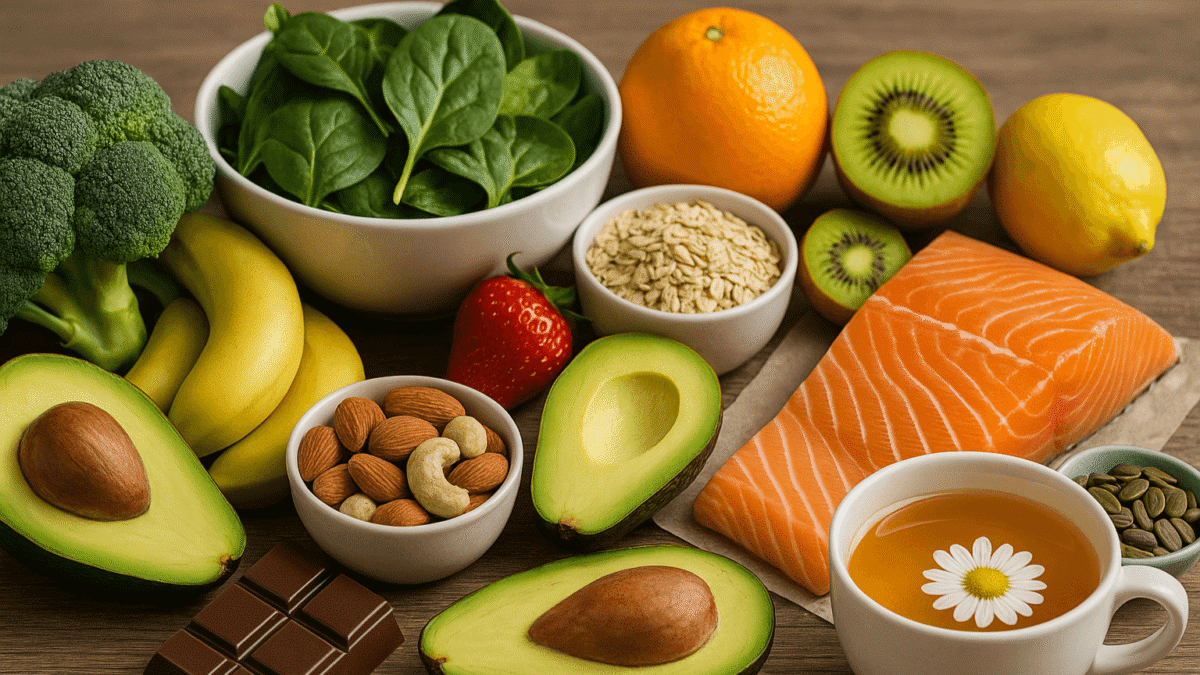
Anxiety has become one of the most common challenges of modern life. However, did you know that you can relieve anxiety through food? Stress from work, digital overload, poor sleep, and unhealthy eating habits can trigger and exacerbate feelings of unease.
In today’s world, anxiety seems to be an inevitable companion for many. Nevertheless, the good news is that relief may be closer than you think. In fact, learning to relieve anxiety through food can profoundly impact your emotional and mental health, helping you manage and reduce anxiety naturally. Moreover, the foods you consume work directly with your nervous system to create lasting change.
If you’ve ever felt this way, keep reading — you’re not alone.
The Power of Nutrients in Reducing Anxiety
The mind and body are intricately connected. What we nourish ourselves with directly affects our mental health. According to Harvard Health, certain nutrients, vitamins, and minerals work together to regulate the nervous system, soothe the mind, and enhance overall well-being.
Therefore, this section will explore the most effective nutrients backed by science that help relieve anxiety through food naturally. Indeed, understanding these nutritional building blocks is essential for creating lasting emotional balance.
Pause for a second — can you relate to this feeling?
Essential Nutrients to Relieve Anxiety Through Food
Magnesium: The Calming Mineral
Magnesium is a crucial mineral involved in hundreds of bodily processes, particularly in regulating the nervous system. When magnesium levels are low, individuals may experience increased irritability, restlessness, and heightened anxiety. Fortunately, magnesium-rich foods can work wonders in calming the mind.
Top food sources:
- Pumpkin and sunflower seeds
- Almonds, Brazil nuts, cashews
- Spinach, kale, and other dark leafy greens
- Beans, chickpeas
- Avocado, banana
- Dark chocolate (70% or more cocoa)
L-Tryptophan: The Serotonin Precursor
L-Tryptophan is an essential amino acid that supports serotonin production. In addition, serotonin is a neurotransmitter known for promoting feelings of happiness and calmness. By consuming foods rich in L-Tryptophan, you can enhance serotonin levels, which are crucial for mental well-being.
Top food sources:
- Salmon, tuna
- Chicken, eggs
- Cheese and dairy
- Yogurt
- Sesame and pumpkin seeds
- Banana, nuts
Omega-3 Fatty Acids: Brain Anti-Inflammatories
Omega-3 fatty acids are well-known for their anti-inflammatory properties, particularly in the brain. Moreover, these healthy fats help support mental clarity, emotional balance, and cognitive function. Consequently, all of these factors are vital for alleviating anxiety naturally.
Top food sources:
- Fatty fish: salmon, sardines, tuna
- Chia seeds, flaxseeds
- Walnuts
Zinc: Mood-Regulating Mineral
Zinc plays a key role in neurotransmitter function and brain signaling. Both of these processes are necessary for mood regulation. Research shows that low levels of zinc have been linked to anxiety, depression, and other mood disorders.
Top food sources:
- Red meat, oysters
- Pumpkin seeds
- Chickpeas, lentils
- Nuts
Think about how this could change your daily routine — even in small ways.
Essential Vitamins for Emotional Balance
Certain vitamins are vital for maintaining mental health. B vitamins, in particular, play an essential role in mood regulation. Furthermore, they work synergistically with minerals to create optimal brain function.
B Vitamins
B vitamins, especially B6, are crucial for converting tryptophan into serotonin. Additionally, they play an important role in energy production and maintaining healthy brain function. Without adequate B vitamins, the body struggles to produce the neurotransmitters necessary for emotional stability.
Top food sources:
- Meat, eggs
- Leafy greens
- Whole grains
- Avocado, banana
Vitamin C: A Stress Fighter
Vitamin C is a powerful antioxidant that helps lower cortisol, the hormone released during stress. By lowering cortisol, Vitamin C reduces anxiety and helps keep the body in a more balanced, calm state. Indeed, this vitamin acts as a natural stress buffer for your nervous system.
Top food sources:
- Citrus fruits: oranges, lemons, tangerines
- Strawberries, kiwi
- Bell peppers, broccoli
Ready to give it a try? Here’s where you can start.
Teas and Herbs with Calming Properties
Nature offers a variety of herbal remedies that help calm the nervous system. Incorporating these soothing teas and herbs into your routine can provide immediate relief after a long day. Furthermore, these herbal remedies are gentle, effective, and easy to use.
Chamomile
Chamomile is rich in apigenin, a compound that binds to brain receptors responsible for promoting relaxation and sleep. Therefore, drinking chamomile tea can help ease tension and improve sleep quality. Many people find it particularly helpful when consumed 30 minutes before bedtime.
Green Tea
Green tea contains L-theanine, an amino acid that increases levels of GABA, serotonin, and dopamine in the brain. These neurotransmitters promote calmness without causing drowsiness. Additionally, green tea offers antioxidant benefits similar to those found in detox teas that help cleanse the body and boost natural energy.
Passionflower (Maracuja)
Passionflower contains flavonoids and alkaloids that act as natural relaxants. As a result, passionflower tea is commonly used for its calming properties and ability to ease insomnia. Traditional medicine has valued this herb for centuries as a gentle anxiety remedy.
Lemon Balm (Melissa)
Lemon balm is a mild sedative that reduces tension and promotes mental calmness, helping ease anxiety naturally. In addition, lemon balm has been shown to reduce feelings of stress and nervousness. Research suggests it may also improve cognitive function during stressful periods.
Incorporating Calming Foods to Relieve Anxiety Through Food
To experience the benefits of these foods, consistency is key. Here are simple ways to incorporate them into your daily routine. By making small adjustments, you can begin to feel the positive effects on your mental health. Meanwhile, remember that gradual changes are more sustainable than dramatic overhauls.
Breakfast:
Start your day with a smoothie made from banana and natural yogurt. Both are excellent sources of magnesium and tryptophan, giving your brain the fuel it needs for a calm and focused day ahead. Alternatively, try oatmeal topped with berries and nuts for a slower-release energy option.
Lunch/Dinner:
Incorporate leafy greens and lean proteins, like fish, chicken, or legumes, into your meals. These provide a great source of omega-3s, zinc, and other vital nutrients. Furthermore, adding colorful vegetables ensures a wide range of antioxidants and phytonutrients.
Snacks:
Snack on nuts and seeds, such as almonds, pumpkin seeds, and walnuts. They provide a rich source of magnesium, zinc, and omega-3s. On the other hand, if you prefer something sweeter, pair fruit with a small handful of nuts for balanced blood sugar.
Evening:
Enjoy a cup of chamomile or passionflower tea before bed. These herbs help reduce stress and promote a restful night’s sleep. In turn, better sleep quality supports your body’s ability to manage anxiety the following day.
30-Day Anti-Anxiety Meal Plan (Sample Week)
To make it easier, here is a sample weekly meal plan that you can repeat for 30 days. This menu is designed to incorporate the calming nutrients discussed above. Moreover, this plan includes quick and nutritious meals that are perfect for busy schedules. Specifically, each day focuses on simplicity and ease while maximizing anxiety-reducing nutrients.
Monday:
Breakfast: Banana smoothie with oat milk, chia seeds, and oats
Snack: 1 kiwi
Lunch: Grilled salmon with quinoa and spinach salad
Snack: Almonds and cashews
Dinner: Pumpkin soup with ginger and pumpkin seeds
Before bed: Chamomile tea
Tuesday:
Breakfast: Yogurt with honey and strawberries
Snack: 1 tangerine
Lunch: Shredded chicken with brown rice and steamed broccoli
Snack: Cucumber sticks with hummus
Dinner: Omelet with white cheese, kale, and tomato
Before bed: Lemon balm tea
Wednesday:
Breakfast: Scrambled eggs with avocado and whole grain toast
Snack: 1 pear
Lunch: Lentils with vegetables and lean meat
Snack: 1 banana
Dinner: Chicken wrap with lettuce and carrot
Before bed: Passionflower tea
Continue this pattern throughout the week, rotating different nutrient-rich foods to keep meals interesting. Consequently, you’ll ensure you’re getting a variety of anxiety-reducing nutrients while preventing meal fatigue.
A Conscious Reflection on Food and Anxiety
Take a moment to reflect on your current relationship with food and stress.
Ask yourself:
- How does my current diet affect my mood and anxiety levels?
- Which calming foods am I already eating regularly?
- What small changes can I make this week to better support my mental health?
- Am I giving my body the nutrients it needs to manage stress?
Remember, you don’t need to overhaul your entire diet overnight. Indeed, small, consistent changes can make a significant difference in how you feel emotionally and mentally. Instead of aiming for perfection, focus on progress and gradual improvement.
Take a deep breath and reflect — what comes up