
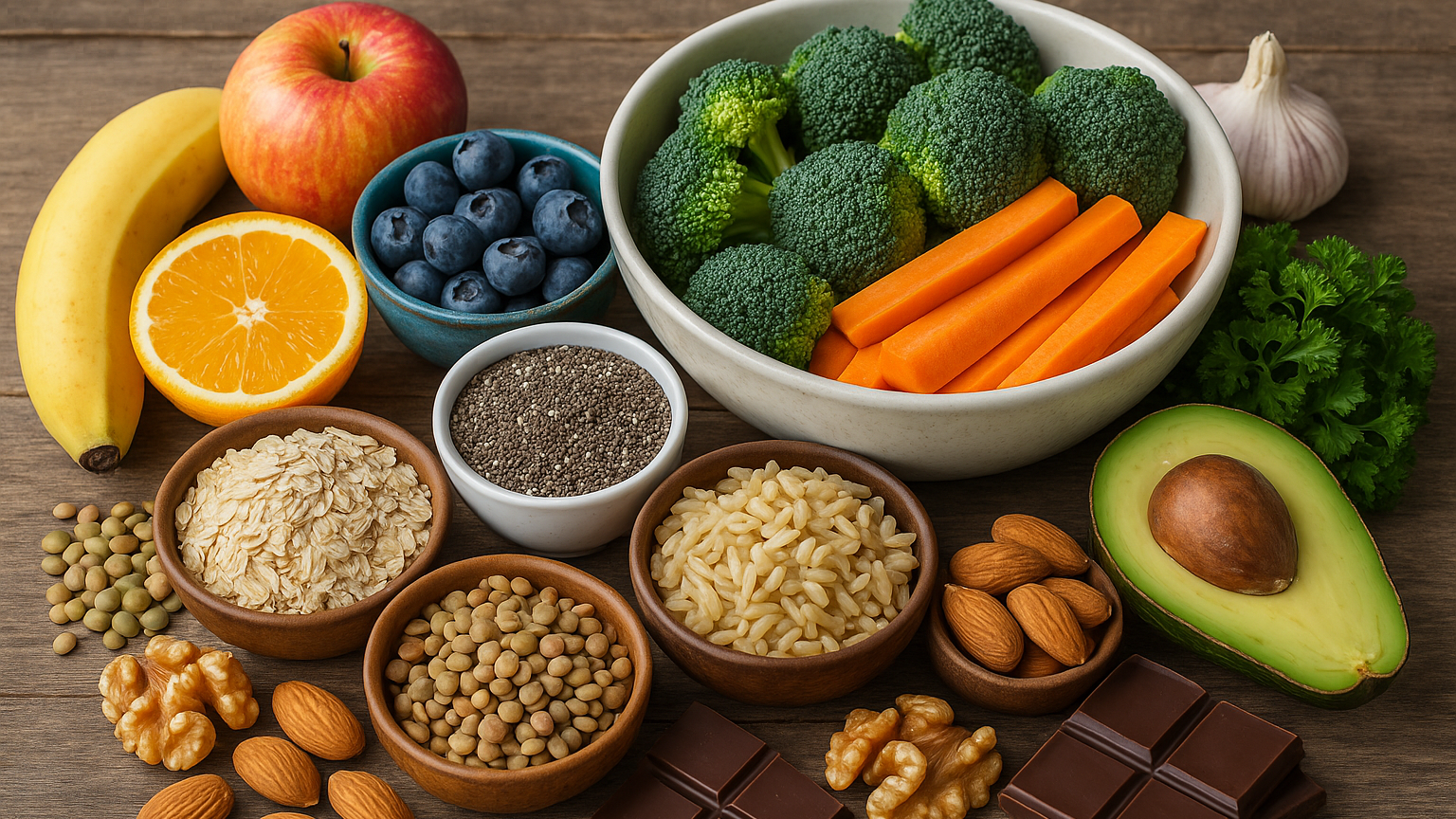
Healthy eating doesn’t need to be complicated. Instead of focusing on restrictive diets or constantly changing food trends, the foundation of long-term health lies in simple, nutritious foods that consistently support your body.
By choosing whole, minimally processed ingredients, you provide your body with essential nutrients that support digestion, immune function, and overall well-being. This approach is not about perfection, but about building sustainable habits that nourish your body every day.
In this guide, you’ll discover practical, everyday foods that form the basis of a balanced diet and how to incorporate them into your routine in a simple and realistic way.
How Simple Nutritious Foods Support Overall Health
Leafy Greens: A Powerhouse of Nutrients
Leafy greens, such as spinach, kale, Swiss chard, and arugula, are among the most nutrient-dense foods you can eat. Packed with vitamins A, C, K, and folate, they also contain essential minerals like iron and calcium. These greens are rich in antioxidants, which help protect your body from oxidative stress and inflammation.
Incorporating simple nutritious foods like leafy greens into your diet is easy. You can include them in salads, smoothies, or sauté them as a side dish. Their high fiber content supports digestion, and their low-calorie, high-water content helps you stay hydrated and feel full.
Whole Grains: A Source of Sustained Energy
Whole grains, like quinoa, brown rice, oats, and barley, are excellent sources of complex carbohydrates, fiber, and essential B-vitamins. Unlike refined grains, which are stripped of their nutrients, whole grains retain fiber and nutrients, making them more beneficial for overall health.
Whole grains support stable blood sugar levels and contribute to long-lasting satiety, helping maintain consistent nourishment throughout the day.
Fresh Fruits: Nature’s Candy for Your HealthBOOS
Fruits are naturally rich in vitamins, minerals, and antioxidants that support your immune system and overall health. Berries like blueberries, strawberries, and raspberries are high in antioxidants, while citrus fruits like oranges and grapefruits are packed with vitamin C to cogimmunity.
Incorporating a variety of fruits into your diet, whether as a snack, in smoothies, or added to salads and yogurt, is a delicious way to get a boost of vitamins and minerals.
Nuts and Seeds: Healthy Fats for Brain and Heart Health
Nuts and seeds, such as almonds, walnuts, chia seeds, and flaxseeds, are excellent sources of healthy fats, protein, and fiber. They are particularly rich in omega-3 fatty acids, which play an important role in supporting heart health and overall well-being. According to Harvard Health Publishing, omega-3 fats are essential for maintaining cardiovascular and cognitive health. These foods are also packed with important minerals like magnesium, zinc, and vitamin E. Adding a small portion of nuts or seeds to your daily meals is a simple way to improve nutritional balance.
These foods are also packed with minerals like magnesium, zinc, and vitamin E. Snack on a handful of nuts or sprinkle seeds over salads or smoothies for a satisfying and nutritious boost.
Why Incorporating Simple Nutritious Foods Can Boost Your Mood
Eating simple nutritious foods can significantly improve your mood and enhance support mental well-being and overall cognitive health. These foods provide the essential building blocks your body needs to function optimally, and they are packed with nutrients that support brain function and energy levels.
Fatty Fish: A Key Source of Omega-3s
Fatty fish, such as salmon, mackerel, sardines, and trout, are excellent sources of omega-3 fatty acids. These fats are essential for brain health, reducing inflammation, and improving heart health. Fatty fish also provide protein and important vitamins like D and B12.
Eating fatty fish a few times a week helps maintain brain function, supports cardiovascular health, and boosts mood. Grilling, baking, or broiling fish preserves its nutritional value while making it a delicious and healthy option.
Eggs: A Nutrition Powerhouse
Eggs are a nutrition powerhouse. They provide high-quality protein, essential vitamins like B12, D, and choline, and healthy fats. The protein in eggs helps support muscle growth and repair, while the healthy fats promote satiety and provide long-lasting energy.
Enjoy eggs in various ways—scrambled, boiled, poached, or as an ingredient in omelets or frittatas. Eggs are quick, easy, and offer great nutritional value in any meal.
Simple Nutritious Foods for Longevity and Strengthen Immune System
Eating a variety of simple nutritious foods every day is one of the best ways to fuel your body and mind, helping you feel balanced, nourished, and well-supported in your daily routine. The beauty of these foods is that they don’t need to be complicated—simple is often the most effective.
Incorporating Healthy Oils Into Your Diet
Healthy oils like olive oil, avocado oil, and coconut oil provide essential fats that promote heart health, brain function, and healthy skin. These oils are rich in monounsaturated fats, which reduce inflammation and lower cholesterol.
Use these oils for cooking, in dressings, or drizzle them over vegetables or salads. They add flavor while nourishing your body from the inside out.
Yogurt and Fermented Foods for Gut Health
Yogurt, especially unsweetened, probiotic-rich varieties, supports gut health by introducing beneficial bacteria to your digestive system. These probiotics balance the gut microbiome, improving digestion and supporting immunity. Fermented foods like kimchi, sauerkraut, and kefir offer similar benefits and can be included in your diet as snacks or added to meals.
Fermented foods not only improve gut health but also boost nutrient absorption and mood by supporting the gut-brain connection.
How to Build a Balanced Plate with Simple Foods
Creating a balanced diet doesn’t require complex rules. A simple way to structure your meals is by combining a variety of whole foods that provide essential nutrients.
A balanced plate should include:
- Vegetables and leafy greens for fiber, vitamins, and minerals
- Whole grains for sustained nourishment and digestive support
- Healthy fats such as olive oil, nuts, and seeds
- Protein sources like eggs, fish, or legumes
Focusing on variety and consistency is more effective than following restrictive diets. Over time, these simple choices support long-term health and nutritional balance.
This approach is widely supported by nutrition experts as one of the most sustainable ways to maintain long-term health.
Simple is Often the Best Approach
Simple, nutritious foods provide a reliable foundation for long-term health. By focusing on whole ingredients and maintaining consistent eating habits, you support your body in a sustainable and balanced way.
Instead of chasing complex diets, prioritizing simplicity allows you to build routines that are easier to maintain over time. Small, consistent choices often lead to the most meaningful results when it comes to overall well-being.

Patricia is the founder and editor of PersonalOrb. She writes about emotional growth, relationships, reflection, grief, and inner development.
Her work is grounded in long-term personal study, careful reading, and an editorial approach focused on clarity, depth, and emotional honesty.
PersonalOrb is an independent editorial project dedicated to thoughtful, slow, and honest exploration of emotional life.
This article is intended for educational and reflective purposes only and does not replace professional psychological, medical, or mental health support. If you are dealing with a health concern, please seek guidance from a qualified professional.