
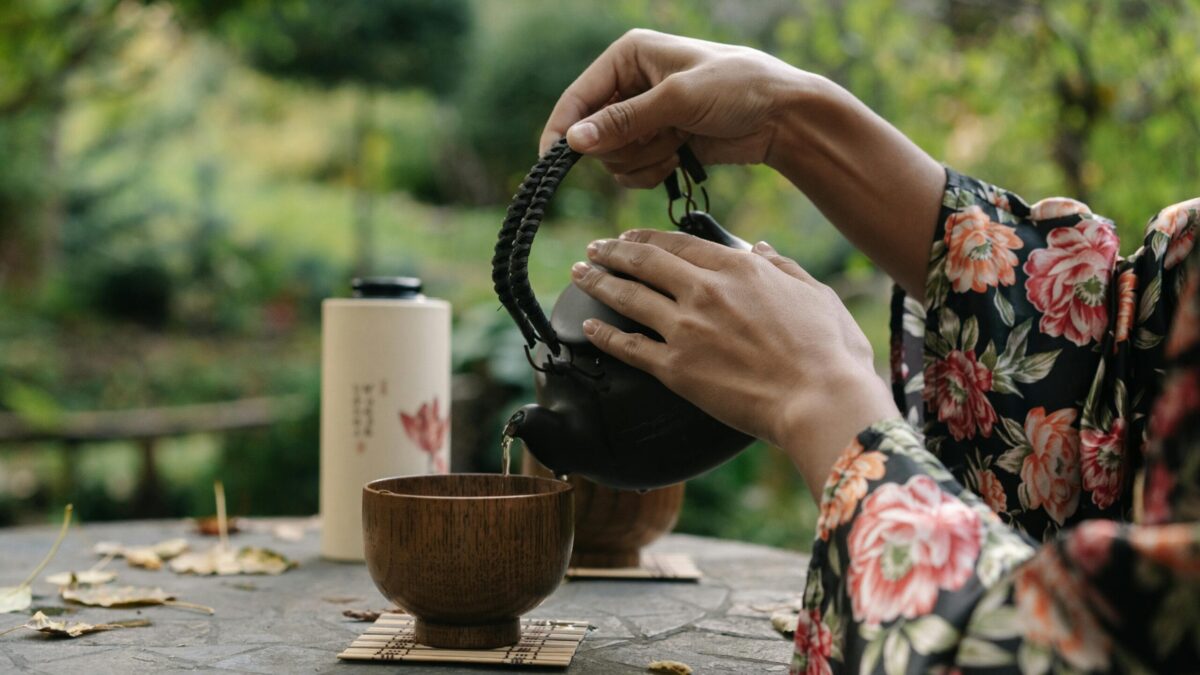
In today’s fast-paced world, it often feels like we are racing against time. We glorify being busy, multitasking, and chasing goals without rest. However, this constant rush can leave you feeling drained, disconnected, and overwhelmed. That’s where slow living offers a gentle rebellion against this cycle.
Slow living focuses on living with intention, not pressure. Moreover, it’s about doing less, but with more presence. Essentially, slow living isn’t about escaping responsibilities—it’s about creating a life that is sustainable, meaningful, and aligned with what truly matters to you. In contrast to the hustle culture that dominates modern life, slow living invites you to pause, breathe, and reclaim your time.
If you’ve ever felt this way, keep reading — you’re not alone.
What Is Slow Living, Exactly?
Slow living is not about following a rigid set of rules; instead, it’s a mindset shift. According to Harvard Health, slow living means doing activities with greater focus and purpose at the right speed. Indeed, it’s about choosing quality over quantity, presence over performance, and depth over speed.
By practicing slow living, you focus on:
Taking time to enjoy your daily routines
Being fully present in your relationships
Prioritizing mental and emotional well-being
Creating rhythms that nourish instead of deplete
Ultimately, slow living isn’t about abandoning ambition or being passive. Rather, it’s about letting go of urgency and reclaiming your time, attention, and energy.
Pause for a second — can you relate to this feeling?
Why We’re Addicted to Speed
In a world that pushes us to move faster, speed can often act as a distraction. Many of us keep busy to:
Avoid emotional discomfort: Speed becomes a way to escape our feelings.
Prove our worth: We fill our schedules to show that we are valuable.
Meet societal expectations: The pressure to keep up with others makes us rush.
Escape boredom or anxiety: Constant activity can be a defense against uncomfortable emotions.
Feel in control: Speed gives us a false sense of control over our lives.
As a result, this addiction to rushing often leads to burnout, stress-related illnesses, and a disconnection from our true selves. In fact, research from Psychology Today shows that the faster we go, the further we drift from what really matters.
Think about how this could change your daily routine — even in small ways.
Benefits of Embracing Slow Living
Greater Mental Clarity Through Slow Living
When we are always rushing, our minds become cluttered. By adopting slow living, we allow ourselves to pause, breathe, and think clearly. Consequently, decisions are made with intention, not panic. This creates space for reflection, insight, and direction.
Deeper Relationships
Being present means truly listening, engaging, and connecting with others. Furthermore, slow living prioritizes time with loved ones, meaningful conversations, and shared experiences over shallow interactions.
Improved Health
Slowing down helps to reduce stress hormones like cortisol, improving sleep, digestion, immunity, and emotional regulation. Additionally, when we slow down, we become more in tune with our bodies and their needs.
More Joy in Daily Life
Slow living teaches us to find beauty in the simple things. For example, a cup of morning coffee, a walk in nature, or reading a good book become sources of true joy when we take the time to appreciate them.
A Stronger Sense of Purpose
By removing the noise and pressure of the world, we become clearer about what truly matters. As a result, our actions start to align with our values, not just our to-do lists or calendars.
Ready to give it a try? Here’s where you can start.
How to Begin a Slow Living Practice
Identify What Truly Matters
What makes you feel fulfilled—not just productive? Who are the people, activities, and values that bring meaning to your life? Once you’ve identified them, ask yourself:
- Are my daily actions aligned with these values?
- What am I doing just because I “should”?
- What am I sacrificing for the sake of speed?
In short, clarity is the first step toward meaningful change.
Start Small with Slow Living Habits
You don’t need to overhaul your life all at once. Instead, start with small, manageable changes:
- Eat one meal a day without screens or distractions
- Wake up 15 minutes earlier to reflect quietly
- Set tech-free hours in the evening
- Walk instead of driving for short distances
By taking these small steps, you will begin to shift the pace of your life.
Learn to Say No
Slow living requires boundaries. You must protect your time and energy by saying no to:
- Unnecessary obligations
- Overcommitting socially
- Work that doesn’t align with your values
Remember, every “no” is a “yes” to something more meaningful—your peace, your purpose, your priorities.
Simplify Your Environment
Clutter causes stress and chaos. Therefore, simplify your space to reflect your slower pace:
- Keep only what you use and love
- Organize your home for function and calm
- Choose quality over quantity when purchasing new things
Ultimately, a clear environment supports a clear mind.
Reclaim Your Time
Ask yourself these important questions:
- Where does my time go?
- What activities drain me?
- What moments restore me?
By gaining insight into these areas, you can redesign your days. Meanwhile, block off time for rest, hobbies, solitude, and spontaneity. Treat slow moments as non-negotiable.
Practice Mindfulness
Mindfulness is at the core of slow living. Naturally, it helps you stay present and aware in every moment. To practice mindfulness, try:
- Mindful walking
- Eating without distractions
- Deep breathing during transitions
- Gratitude journaling
Mindfulness turns everyday tasks into opportunities for connection and calm.
Redefine Productivity in Slow Living
True productivity is not about doing more, it’s about doing what matters. Specifically, ask yourself:
- Did today reflect my values?
- Was I present in my actions?
- Did I care for myself and others?
In essence, when you live slowly, you stop chasing empty results and start building a life full of meaning.
Embrace Silence and Stillness
At first, silence can feel uncomfortable, especially in a noisy world. Nevertheless, it’s in stillness that we find insight, healing, and peace. Therefore, make space for it—even if it’s just five minutes of quiet each day.
Let silence become your sanctuary, not your fear.
Challenges of Slow Living (And How to Overcome Them)
Guilt: At first, slowing down may feel “lazy.” However, remember: rest is essential for your well-being.
FOMO (Fear of Missing Out): You might feel left behind, but reaffirm your priorities and the value of depth over speed.
External Pressure: Others may not understand your choice. In this case, lead by example and let your peace speak louder than your pace.
In summary, slow living isn’t about being perfect; it’s about being present. You’ll still have busy days and responsibilities, but you’ll approach them with grace, calm, and clarity.
Take a deep breath and reflect — what comes up for you right now?
Final Thoughts: Choose Presence Over Pace
In a world that never stops, slow living is a radical, powerful choice. It’s a path back to yourself—a quieter, richer way of experiencing life. You don’t need to move to the countryside or quit your job. Indeed, slow living can happen anywhere, at any moment.
All it takes is a decision to live with more intention and less rush. Let go of the race. Breathe deeply. Walk slowly. Speak thoughtfully. And remember: you’re not behind—you’re exactly where you need to be.
Start today with one small change. Notice how it feels to slow down, even just for a moment. Observe the space it creates. Finally, notice the peace that follows.
Your journey starts with one mindful decision — why not begin today?