
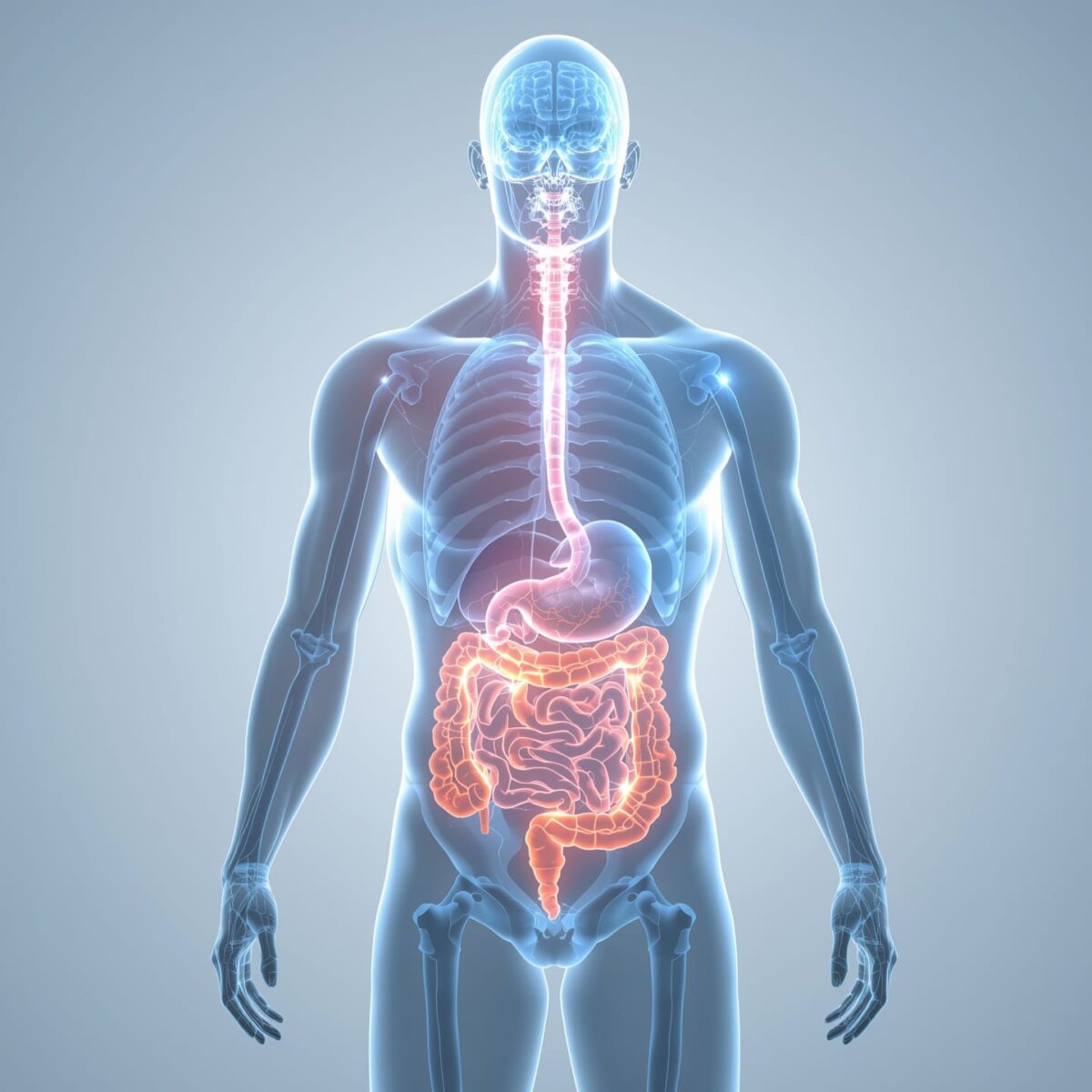
Have you ever noticed how a heavy meal can leave you feeling sluggish or unfocused? Or how stress seems to affect your stomach almost instantly? Many people recognize this connection in everyday life, even if they don’t always know how to explain it.
That relationship exists because the gut and the brain are closely linked. Researchers often refer to this as the gut–brain axis, a communication network that helps explain why digestion, mood, stress, and mental clarity can influence each other.
This doesn’t mean every moment of brain fog starts in the gut, or that food alone determines how you feel. But it does suggest that digestive health may play a meaningful role in your overall well-being.
In this article, we’ll explore how gut health and mental clarity may be connected, which everyday habits can support both, and why a balanced, realistic approach matters most.
Understanding the Gut–Brain Axis
The gut–brain axis is the communication system between the digestive system and the brain. This communication happens through several pathways, including the nervous system, hormones, and immune signaling.
One of the best-known parts of this connection is the vagus nerve, which helps transmit information between the brain and the digestive tract. The gut is also home to trillions of microorganisms—often called the gut microbiome—that participate in digestion and may also influence how the body responds to stress and other internal signals.
In addition, the digestive system is involved in producing and regulating substances that matter to overall well-being. Because of this, researchers continue to study how gut function may relate to mood, focus, and mental performance.
The important takeaway is not that the gut controls the mind, but that the two systems are deeply connected and often affect one another.
How Gut Health May Influence Mental Clarity
When digestion feels off, many people also report feeling less focused, less energized, or mentally “foggy.” That experience can have many possible causes, but gut health may be one of the contributing factors.
For example, the body depends on digestion to break down food, absorb nutrients, and support many functions that affect how we feel throughout the day. When eating habits, stress levels, sleep, or digestive comfort are out of balance, concentration and energy may feel affected too.
Researchers are also exploring how inflammation, microbiome diversity, stress, and nutrient absorption may influence the gut–brain relationship. While this area is still being studied, it helps explain why digestive well-being is often discussed as part of a broader lifestyle picture—not as an isolated issue.
So rather than viewing gut health as the single answer to mental clarity, it may be more accurate to see it as one important piece of a bigger puzzle.
Signs That Your Daily Habits May Be Affecting Both Gut and Mind
Your body often gives you signals when your routine needs attention. These signs do not automatically point to a gut-related problem, but they can be useful reminders to look at the bigger picture.
You might notice things like:
- feeling mentally sluggish after certain meals;
- low energy during the day;
- difficulty concentrating when stress is high;
- digestive discomfort such as bloating or irregularity;
- a stronger connection between emotional stress and stomach discomfort.
These experiences can have many explanations, so it’s important not to jump to conclusions. Still, they may be a sign that your nutrition, stress levels, sleep, or eating habits deserve closer attention.
If symptoms are persistent, intense, or concerning, professional guidance is the best next step.
Foods That Can Support Gut Health and Overall Well-Being
Food is not a miracle solution, but it can be a meaningful part of supporting digestive comfort and day-to-day clarity.
1. Fermented foods
Foods like yogurt, kefir, sauerkraut, kimchi, and other fermented options are often included in discussions about gut health because they may help support microbial balance in the digestive system.
Not everyone tolerates fermented foods the same way, so it can help to start gradually and notice how your body responds.
2. Fiber-rich foods
Vegetables, fruits, legumes, oats, and whole grains provide fiber, which plays an important role in digestive health. A fiber-rich diet may help support regularity and nourish beneficial gut bacteria.
Variety matters here. Different plant foods provide different types of fiber, and a more diverse intake may support a more balanced microbiome.
3. Foods rich in healthy fats
Fatty fish, walnuts, chia seeds, flaxseeds, and other sources of unsaturated fats can be part of a balanced eating pattern. These foods are often associated with overall brain and heart health and may also support a more balanced inflammatory response in the body.
4. Plant foods rich in natural compounds
Berries, leafy greens, beans, herbs, olive oil, nuts, seeds, and colorful vegetables provide a range of nutrients and plant compounds that support overall health. When these foods are included regularly, they can help build a stronger nutritional foundation.
Habits That May Work Against This Balance
Just as some habits can support digestive well-being, others may make the body feel more stressed and less resilient over time.
These may include:
- highly repetitive, low-variety eating patterns;
- frequent intake of heavily processed foods;
- poor sleep;
- rushing through meals;
- chronic stress without recovery time;
- low daily movement.
This doesn’t mean you need to eat perfectly or follow rigid rules. In fact, extreme thinking often creates more stress, not less. A better goal is consistency, awareness, and a pattern that feels sustainable in real life.
Lifestyle Practices That Support Gut and Mind
Nutrition matters, but it is only one part of the picture. Daily habits also shape how the body feels and functions.
Slow down during meals
Eating too quickly or while distracted may affect digestion. Slowing down, chewing more thoroughly, and being present during meals may help you feel more comfortable and more aware of how food affects you.
Prioritize sleep
Sleep affects far more than energy levels. It plays an important role in recovery, regulation, and overall functioning. When sleep suffers, both digestive comfort and mental clarity often feel less stable.
Manage stress realistically
Stress and digestion are closely linked in everyday life. For many people, stressful periods coincide with stomach discomfort, appetite changes, or a greater sense of mental overload.
Simple practices such as breathing exercises, walking, journaling, prayer, stretching, or moments of quiet can help support regulation. The goal is not to eliminate stress completely, but to create more recovery in your routine.
Move regularly
Regular movement can support digestion, mood, and energy. This does not have to mean intense exercise. Walking, light strength training, dancing, stretching, or swimming may all be helpful depending on your lifestyle and preferences.
Stay hydrated
Water supports many basic body functions, including digestion. Keeping hydration consistent throughout the day is one of the simplest habits that supports overall well-being.
Whole Foods First
Before thinking about supplements, restrictive plans, or “quick fixes,” it often helps to come back to the basics.
A strong foundation usually looks like this:
- more minimally processed foods;
- more vegetables and fruits;
- more fiber from whole food sources;
- enough protein;
- better hydration;
- more regular meals;
- less chaos around eating.
Whole foods bring multiple nutrients together in ways that isolated products often cannot fully replicate. That’s one reason a balanced diet tends to be more helpful long term than chasing individual ingredients.
A Note About Supplements
Supplements may be useful in some situations, but they are not automatically necessary, and they are not a substitute for a balanced lifestyle.
Needs vary from person to person. Tolerance, medication use, health history, and nutritional status all matter. Because of that, it’s wise to speak with a qualified healthcare professional before starting supplements—especially if you are dealing with ongoing symptoms or already using medication.
A food-first approach is often the most sustainable place to begin.
A Simple Way to Start
If you want to support both gut health and mental clarity, you do not need to change everything at once.
Start with one or two realistic steps, such as:
- adding more plant variety during the week;
- eating meals more slowly;
- improving sleep consistency;
- drinking more water;
- taking a short walk after meals;
- paying attention to how certain foods make you feel.
Small, repeatable changes are usually more helpful than dramatic changes you can’t maintain.
The Bigger Picture
The connection between gut health and mental clarity is part of a larger truth: the body works as an integrated system. Digestion, sleep, stress, food, mood, and focus often influence one another more than we realize.
That doesn’t mean every problem has a single cause or a simple answer. But it does mean that supporting your body in practical, steady ways may help you feel more balanced over time.
Listening to your body, eating with more awareness, managing stress more gently, and building routines that support your energy can all be meaningful steps forward.
Final Thoughts
Gut health and mental clarity are connected—but not in a simplistic or magical way. It’s better to think of the relationship as an ongoing conversation inside the body, shaped by daily habits, stress levels, nutrition, sleep, and overall lifestyle.
If you want to feel better in both body and mind, start with what is realistic. Support your routine. Notice patterns. Stay curious. And when needed, seek professional guidance instead of relying on guesswork.
Sometimes the most powerful changes are not dramatic. They’re the small choices you repeat often enough for your body to trust them.

Patricia is the founder and editor of PersonalOrb. She writes about emotional growth, relationships, reflection, grief, and inner development. Her work combines careful reading, long-term personal study, and an editorial approach centered on clarity, depth, and emotional honesty.
This article is intended for educational purposes only and should not be considered medical or psychological advice. If you are dealing with a health concern, seek guidance from a qualified professional.
The content published on PersonalOrb is intended for educational and reflective purposes and does not replace professional psychological or medical support.