
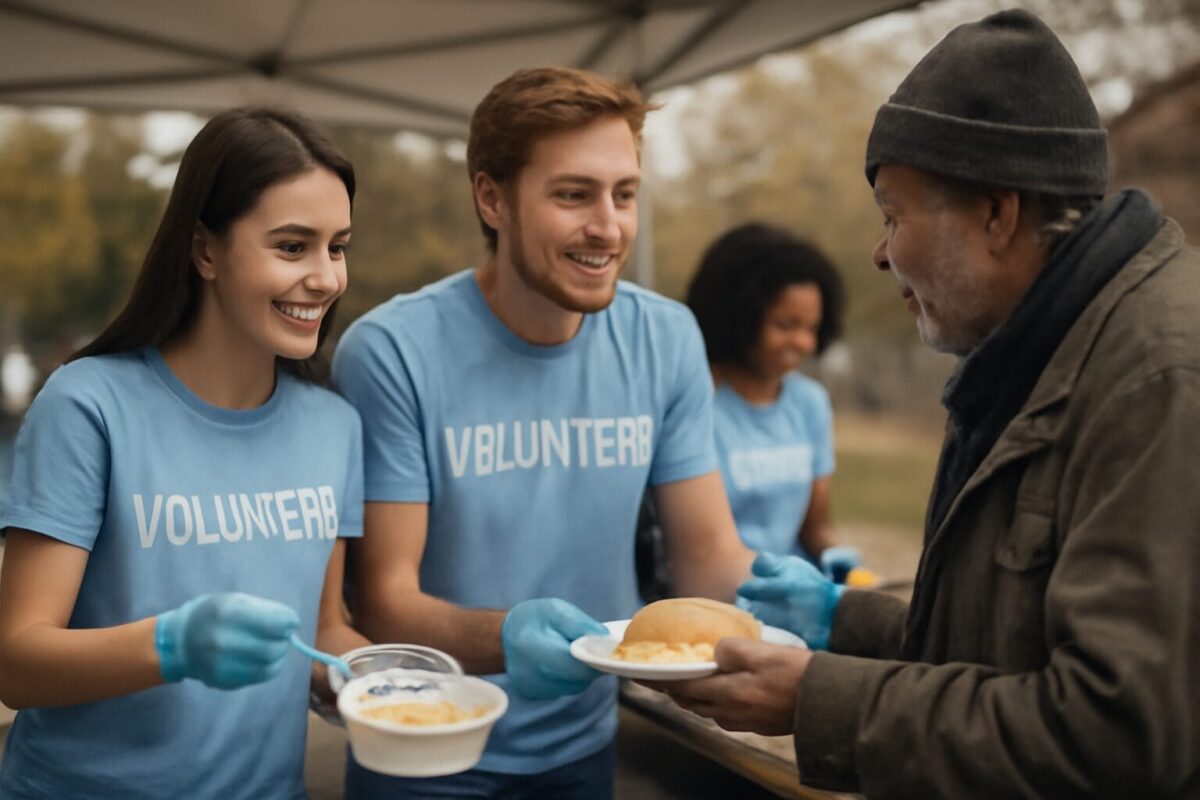
In a world where mental health challenges affect millions of people, volunteering emerges as a powerful yet often overlooked solution. The connection between volunteering and mental health is supported by decades of research showing that acts of service don’t just benefit recipients—they profoundly transform the lives of volunteers themselves. When you dedicate time to helping others, you’re simultaneously investing in your own psychological well-being in ways that few other activities can match.
The Science Behind Volunteering and Mental Health
Understanding why volunteering and mental health are so deeply connected requires looking at what happens in our brains and bodies when we help others. Neuroscience research reveals that altruistic behavior triggers the release of endorphins, creating what scientists call the “helper’s high”—a genuine euphoric feeling that follows acts of kindness. According to research published in BMC Public Health, volunteers show measurably lower rates of depression and report higher levels of life satisfaction compared to non-volunteers. This isn’t coincidental. When we engage in meaningful service, our brains release oxytocin, serotonin, and dopamine—neurochemicals associated with happiness, social bonding, and reward. The physiological benefits extend beyond mood enhancement. Studies published by the National Institutes of Health demonstrate that regular volunteers experience lower blood pressure, reduced inflammation markers, and even increased longevity. The stress-buffering effects of volunteering create a protective shield against the harmful impacts of chronic stress on both mental and physical health.
How Volunteering and Mental Health Combat Loneliness
One of the most significant ways volunteering and mental health intersect is through social connection. Loneliness has been identified by health organizations worldwide as a serious public health concern, with effects on mortality comparable to smoking 15 cigarettes daily. Volunteering provides a natural antidote to isolation by creating opportunities for meaningful human connection. When you volunteer, you automatically become part of a community united by shared purpose. These aren’t superficial interactions—they’re connections built around making a tangible difference. Fellow volunteers often become friends, mentors, or support systems that extend far beyond volunteer hours. The structured nature of volunteer commitments also provides regular social engagement, which is particularly valuable for people who might otherwise spend long periods alone. Whether you’re serving meals at a shelter, reading to children at a library, or organizing community events, you’re surrounded by like-minded individuals who share your values.
Volunteering’s Impact on Mental Health: Depression and Anxiety
The relationship between volunteering and mental health is particularly powerful for individuals struggling with depression and anxiety. Research consistently shows that volunteer work can be as effective as some traditional therapies in reducing depressive symptoms. Depression often creates a self-focused rumination cycle where negative thoughts dominate mental space. Volunteering interrupts this pattern by directing attention outward toward the needs of others. This shift in focus provides relief from internal distress while simultaneously creating positive experiences that challenge depressive thinking patterns. For anxiety sufferers, volunteering offers exposure to social situations in a lower-pressure context than many other settings. The focus on task completion and helping others reduces self-consciousness while building confidence through meaningful accomplishment. Many volunteers report that their anxiety symptoms decrease as they develop new skills and realize their capacity to make a difference. According to the Mental Health America, engaging in volunteer activities provides structure, purpose, and social support—three elements that are crucial for managing both depression and anxiety effectively.
Building Self-Esteem and Purpose
Few experiences boost self-esteem as effectively as knowing you’ve made a real difference in someone’s life. Volunteering and mental health are linked through the powerful psychological impact of feeling needed and valued. When organizations depend on your contributions and individuals benefit from your efforts, you gain concrete evidence of your worth and capabilities. This sense of purpose is particularly important during life transitions. Whether you’re retiring, recovering from illness, dealing with job loss, or adjusting to an empty nest, volunteering provides identity and meaning during uncertain times. Rather than defining yourself by what you’ve lost, you can define yourself by what you give. The accomplishment you feel when completing volunteer projects creates what psychologists call “mastery experiences”—successes that build confidence and resilience. Each successful volunteer shift, each grateful smile from someone you’ve helped, reinforces your ability to face challenges and make positive impacts.
Developing New Skills and Perspectives
Volunteering offers unique opportunities to learn and grow in ways that directly benefit mental health. When you step outside your routine to help others, you’re exposed to new situations, diverse people, and different ways of thinking. This cognitive flexibility is associated with better mental health and greater life satisfaction. Many volunteer positions teach practical skills—from event planning and fundraising to teaching and counseling. These new competencies increase feelings of self-efficacy and can even open doors to career opportunities. But beyond practical skills, volunteering cultivates empathy, patience, gratitude, and perspective—qualities that fundamentally improve how you experience life. Witnessing resilience in people facing serious challenges often reframes your own difficulties. When you work with individuals overcoming significant obstacles, your problems may seem more manageable. This doesn’t diminish your struggles but rather builds perspective and appreciation for what you have.
Creating Routine and Structure
For many people dealing with mental health challenges, lack of structure exacerbates symptoms. Empty time can fill with worry, rumination, or unhealthy behaviors. Regular volunteer commitments create beneficial routine that provides stability and predictability. Having scheduled volunteer responsibilities gives you reasons to get out of bed, shower, dress, and engage with the world. This basic structure supports mental health by preventing the isolation and inactivity that often worsen depression and anxiety. The accountability of knowing others depend on you creates gentle but effective motivation to maintain healthy routines.
Physical Activity and Mental Health Benefits
Many volunteer opportunities incorporate physical activity, which independently supports mental health. Whether you’re building homes with Habitat for Humanity, cleaning parks, organizing donation drives, or working at animal shelters, you’re likely moving your body in ways that boost mood and reduce stress. The combination of physical activity, social connection, and purposeful work creates a powerful mental health intervention. Exercise releases endorphins while volunteering releases oxytocin and dopamine—together, these create an exceptionally positive neurochemical state that promotes well-being.
Finding Volunteer Opportunities for Better Mental Health
Maximizing the connection between volunteering and mental health requires finding opportunities that genuinely resonate with you. Consider your interests, values, and the amount of time you can realistically commit. Starting small is perfectly acceptable—even a few hours monthly can provide significant mental health benefits. Match your skills and interests. If you love animals, consider shelters or wildlife rehabilitation. If you’re passionate about literacy, explore tutoring or library programs. If environmental causes move you, join conservation projects or community gardens. When your volunteer work aligns with your values, the mental health benefits intensify. Consider your energy levels. If you’re currently struggling with mental health challenges, choose opportunities that feel manageable rather than overwhelming. Some positions are highly social and energetic; others are quieter and more contemplative. Be honest about what you can handle while still challenging yourself to grow. Try different options. Many organizations welcome short-term volunteers or have one-time events that let you sample different types of service. Experiment until you find what feels meaningful and sustainable for you. Virtual volunteering. If mobility, health concerns, or social anxiety make in-person volunteering difficult, numerous online opportunities exist. You can provide crisis counseling via text, translate documents, create content for nonprofits, or mentor others remotely. These positions offer many mental health benefits of traditional volunteering with additional flexibility.
Overcoming Barriers: Your Volunteering and Mental Health Journey
Despite the clear benefits of volunteering and mental health, many people face barriers to getting started. Common obstacles include time constraints, transportation challenges, social anxiety, or feeling that you don’t have valuable skills to offer. Understanding that these barriers are surmountable is the first step. Time constraints: Start with micro-volunteering—small tasks that take minutes rather than hours. Many organizations need help with specific projects that don’t require ongoing commitments. Even serving once quarterly provides mental health benefits. Transportation issues: Look for opportunities in your immediate neighborhood or explore virtual volunteering options that require no travel. Social anxiety: Choose behind-the-scenes roles like data entry, crafting items for charity, or environmental work with minimal social interaction. As you build confidence, you can gradually try more interactive positions if desired. Feeling unqualified: Remember that most volunteer positions require no special expertise—just willingness to help. Organizations provide training and support. Your life experience and unique perspective are valuable contributions regardless of your professional background.
Long-Term Impact on Well-Being
While even short-term volunteering provides immediate mood boosts, the most profound effects on mental health develop through sustained engagement. Regular volunteers report cumulative benefits that grow over time as skills deepen, relationships strengthen, and sense of purpose solidifies. Longitudinal studies tracking volunteers over years show progressively improving mental health outcomes, including reduced depression rates, better stress management, and greater overall life satisfaction. The protective effects of volunteering appear to strengthen with duration and frequency of service. Building volunteering into your lifestyle creates a sustainable mental health practice that provides ongoing benefits. Rather than viewing it as an occasional good deed, consider it an essential component of your mental health maintenance—as important as exercise, nutrition, or therapy.
Benefits Across Different Life Stages
The relationship between volunteering and mental health manifests differently across life stages, but remains powerful throughout the lifespan. Young adults benefit from volunteering through career exploration, skill development, and social network building during a life stage often marked by uncertainty and transition stress. Parents find that family volunteering strengthens bonds while modeling prosocial behavior for children. The shared purpose and positive focus provide welcome relief from parenting pressures. Mid-life adults often use volunteering to address feelings of stagnation or to explore new interests beyond career demands. Service provides renewal and perspective during a stage when many question their life’s meaning and direction. Older adults gain particularly significant mental health benefits from volunteering. Retirement can bring loss of identity and purpose; volunteering fills these gaps while combating the isolation and cognitive decline risks that increase with age. Research shows that older volunteers maintain better cognitive function and experience fewer depressive symptoms than non-volunteers.
Creating Sustainable Practices
To maximize the mental health benefits of volunteering without burning out, approach your service work thoughtfully and sustainably. Set realistic expectations about your capacity and commitment level. Overcommitting can transform an enjoyable, beneficial activity into another source of stress. It’s better to volunteer consistently at a manageable level than to take on too much and quit entirely. Maintain boundaries between your volunteer role and your personal life. While it’s natural to care deeply about the people and causes you serve, remember that you can’t solve every problem or help everyone. Protect your own mental health by recognizing your limitations. Reflect regularly on how your volunteer work affects your well-being. Is it energizing or draining? Fulfilling or frustrating? If the mental health benefits diminish, consider whether you need a break, a different role, or a new organization. Volunteering should enhance your life, not deplete it. Combine volunteering with other mental health practices like therapy, medication if prescribed, exercise, and self-care. Volunteering is powerful but not a complete solution on its own for serious mental health conditions. View it as one valuable component of comprehensive mental health care.
Conclusion
The evidence supporting the connection between volunteering and mental health is overwhelming and compelling. When you help others, you simultaneously help yourself in profound and lasting ways. The mental health benefits of volunteering—from reduced depression and anxiety to increased purpose and social connection—make service one of the most effective and accessible interventions available. You don’t need to commit to heroic acts of service or life-changing volunteer projects. Small, consistent efforts create significant mental health improvements. Whether you volunteer weekly at a local organization or monthly on a special project, you’re investing in your psychological well-being while making your community better. The beautiful paradox of volunteering is that by focusing outward on others’ needs, you discover and meet your own deepest needs for meaning, connection, and purpose. In a world often focused on self-care through consumption and comfort, volunteering reminds us that sometimes the best way to care for ourselves is by caring for others. Your mental health—and your community—will thank you.